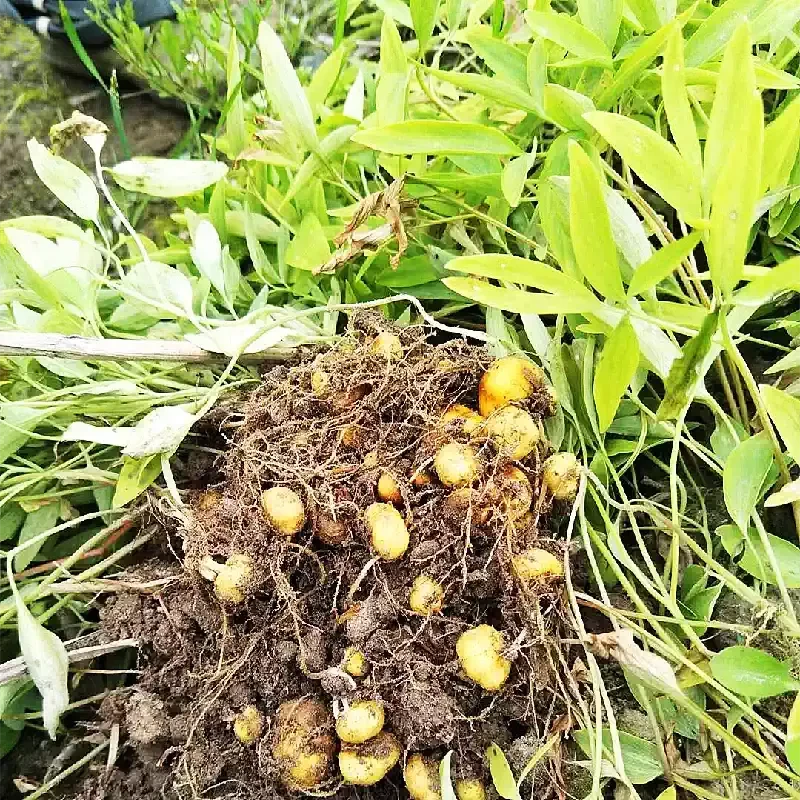
Sow Fritillaria seeds promptly during the planting season.
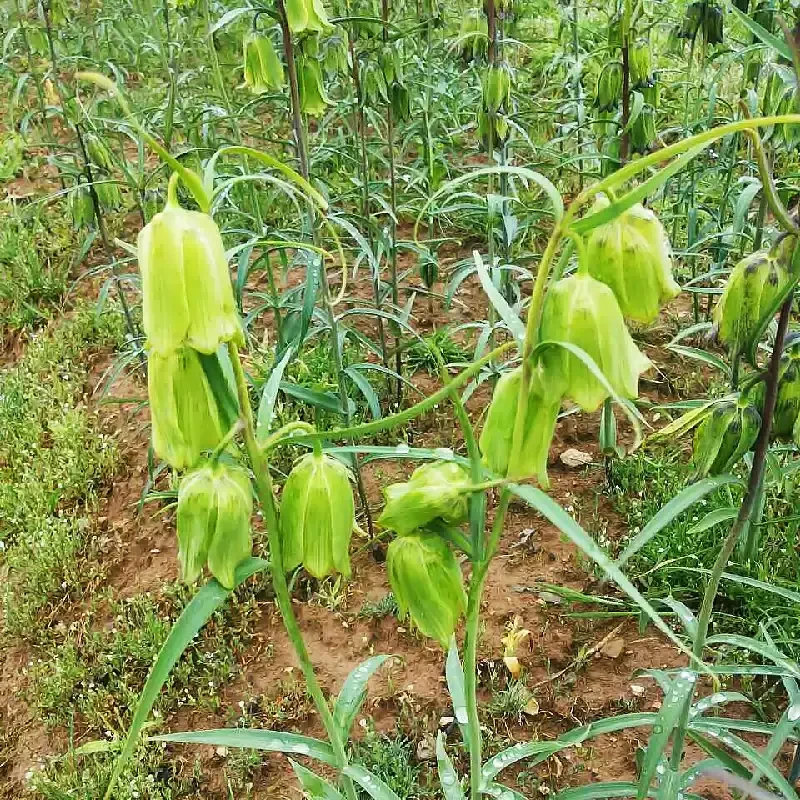
Best time to plant Fritillaria this season: seize the late autumn window for a guaranteed harvest next year.
It is late autumn and early winter, the critical period for planting Fritillaria. As a traditional Chinese medicine with many varieties, Zhejiang Fritillaria (Zhe Beimu), widely cultivated in Zhejiang and surrounding areas, should be planted between 9 and 10. For farmers who have not yet sown their seeds, this is the final window to seize the optimal planting time.
Fritillariae Thunbergii Bulbus: Fall planting season is here
Fritillariae Thunbergii Bulbus is one of the "Eight Famous Herbs of Zhejiang," primarily produced in Ningbo, Pan'an, and Dongyang. It effectively clears heat, resolves phlegm, relieves cough, and disperses nodules, with stable market demand. Propagation is mainly achieved through bulb vegetative reproduction. The optimal sowing period is from mid-to-late 9 to mid-10, and should not be delayed beyond Frost's Descent (late 10).
From a cultivation perspective, planting Zhebeimu requires "timely sowing"—when temperatures gradually drop below 25°C. This allows the bulb to first develop roots and then sprout in the soil, laying a solid foundation for seedling emergence and bulb expansion in the following spring. Sowing too early may cause premature sprouting and nutrient depletion, while sowing too late results in insufficient root development, compromising winter survival and next year's yield.
Quick Growing Tips
Site Preparation: Select deep, well-drained sandy loam; avoid clay and low-lying waterlogged areas. Plow deeply 25–30 cm, incorporate ample well-rotted organic fertilizer as base fertilizer, and cultivate on raised beds. Bed width should be approximately 1.2 m, with furrow widths of 25–30 cm to ensure proper drainage.
Bulb Selection: Choose healthy bulbs with a diameter of 3–5 cm, tightly packed scales, plump buds, and free from pests or diseases. Before planting, soak the bulbs in a 50% carbendazim solution diluted to 600 times for 30–40 minutes to disinfect.
Planting method: Sow in rows with a spacing of 20 cm between rows and 15 cm between plants. Place the buds facing upward and cover with soil to a depth of 5–8 cm. For commercial fields, plant shallowly to promote bulb expansion; for seed fields, planting can be slightly deeper.
Field management: Clear drainage ditches before emergence to prevent soil compaction; apply sufficient winter fertilizer around the Winter Solstice; top-dress seedling fertilizer after spring emergence in 3 month when flower buds appear, promptly remove flowers and pinch tops to reduce nutrient consumption and promote bulb enlargement; during the rainy season, ensure proper drainage to prevent waterlogging and bulb rot.
Harvest Time: Early 5 to early 6 of the following year. Dig up plants on a sunny day when the above-ground foliage withers, then dry immediately or slice for processing.
Planting time reference for other Fritillaria varieties
Except for Fritillaria thunbergii, planting times vary by cultivar:
Fritillaria ussuriensis: Mainly produced in Northeast China. Bulb propagation is best carried out from mid-to-late 8 to mid-9.
Fritillariae Cirrhosae Bulbus: Primarily produced in high-altitude regions of Southwest China. For propagation via bulb division, bulbs are graded and planted during harvest from 6 to 7 months, or alternatively planted from 8 to 9 months.
Fritillariae Cirrhosae Bulbus: Plant in mid-6 to mid-9, planting immediately after harvest.
Friendly Reminder
Fritillaria cultivation should avoid continuous cropping. Ideal preceding crops include legumes and grasses, with a required rotation interval of at least 3 years before replanting. For growers in Zhejiang, the latter half of 10 marks the end of the planting window for Zhe Fritillaria. Those who have not yet finished planting should act immediately to ensure bulb scales establish roots before winter, laying a solid foundation for a bountiful harvest next year.
NeedPremium Seedlings?
Wencheng County Wenxin Chinese Herbal Plantation: 13 direct supply from the origin. Complete selection of root, herbaceous, woody, vine, and rare medicinal seedlings. Add to cart by quantity and submit your order.