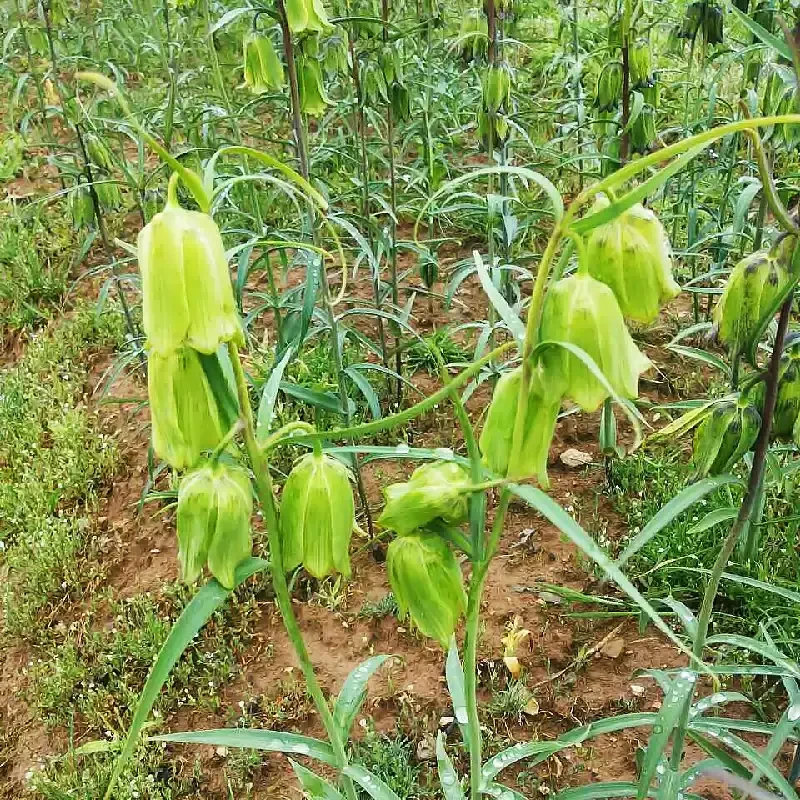
Corydalis planting season is here—get started now.
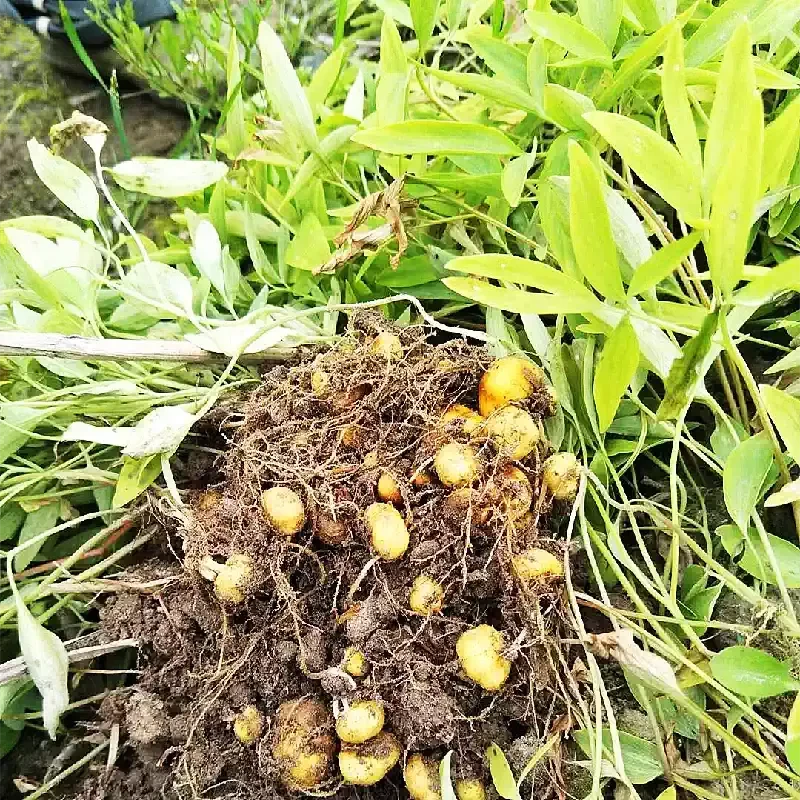
Perfect timing for planting Corydalis: Secure your harvest by May next year during the golden window from late 10 to early 11.
It is now the end of 10. For herbal farmers, this is the ideal window to plant Corydalis yanhusuo (Yanhusuo). Known as the "King of Herbal Pain Relief," Yanhusuo enjoys stable market demand and profitable returns, with current weather conditions perfectly matching its growth requirements.
Best planting window: late 10 to early 11
Sow time for Corydalis yanhusuo varies by region. In areas like Anhui and Shaanxi, sow from late 9 to mid-10. In Zhejiang production zones (e.g., Pan'an), the optimal sowing window is late 10 to early 11, around the Frost's Descent solar term. We are currently in this prime window; farmers who haven't finished sowing should act now to ensure seed tubers establish roots before winter and survive safely.
Timing is critical: planting too early risks bulb rot from high temperatures, while planting too late results in underdeveloped roots and significantly lower yields next year.
Site Selection and Land Preparation
Corydalis yanhusuo thrives in warm, humid climates. It is cold-hardy but sensitive to drought, waterlogging, and intense sunlight. Choose a planting site that:
Soil: Deep, loose, fertile, well-drained sandy loam with a pH of 5.6–7.5 (neutral to slightly acidic). Avoid heavy clay soils, alkaline soils, and low-lying waterlogged areas.
Previous crop: Preferably grasses such as rice, wheat, or corn. Avoid continuous cropping; alternate between flooded and dry seasons is recommended.
Land preparation: Deep plow 20–30 cm, till and harrow three times to achieve a fine, flour-like soil texture. Apply sufficient well-rotted organic fertilizer as the base fertilizer. Form beds 1.2–1.3 m wide with furrows 30–40 cm wide and approximately 20 cm deep to ensure proper drainage.
Tubers Selection and Processing
Seed Selection: Choose medium-sized, fresh seeds from the current year with a diameter of 1.2–1.6 cm. Seeds should be flat-round, yellow-skinned, free of insect damage or wounds, and have plump buds.
Disinfection: Soak seeds in a 25% metalaxyl 800 solution or a 50% mancozeb 1000 solution for 10–15 minutes before sowing, then drain and air-dry slightly before planting.
Sowing method
Use row or hill sowing with row spacing of 15–20 cm and plant spacing of 5–10 cm. Place buds facing upward and cover with soil to a depth of 5–8 cm (approximately 2–2.5 inches). In Zhejiang production areas, the seeding rate is approximately 35–40 kg per mu. After sowing, water once to establish roots; keep the soil slightly moist. Avoid flooding.
Key Field Management Practices
Fertilizer Management
Follow the principle of "adequate basal fertilizer, heavy application in winter, and precise application for seedlings."
Winter fertilizer: Apply well-rotted farmyard manure or human excreta between the 10th and mid-11th of the month (around the Winter Solstice), combined with hilling. This is critical for yarrow overwintering and future yield.
Seedling fertilizer: In the following year, when seedlings reach approximately 3 cm in height during month 2, apply diluted human/animal manure or 5–10 kg of urea per mu to promote vigorous growth.
Post-bloom fertilizer: Apply potassium dihydrogen phosphate as a foliar spray in 3 to promote tuber enlargement. Stop root fertilization after the end of 3.
Water Management
Corydalis yanhusuo thrives in moist soil but is susceptible to waterlogging; proper watering is essential.
Water once after sowing to settle the roots. Keep the soil slightly moist until seedlings emerge.
Water sparingly during winter dormancy to prevent bulb rot caused by cold, damp conditions.
Water demand peaks during the spring tuber bulking stage. Apply frequent, light irrigation; water only when the soil surface begins to dry.
Clear drainage channels during the rainy season and promptly remove standing water after rain to prevent root rot.
Stop watering from late 4 until harvest in 5. Harvesting from drier soil yields tighter, more durable Corydalis yanhusuo.
Weed Control and Pest Management
Weeding: Corydalis yanhusuo has shallow roots. Do not use chemical herbicides after seedlings emerge; weed manually or lightly rake with a bamboo hoe. Before emergence, you may apply soil-applied herbicides within 30 to 45 days after sowing.
Pinch buds: Remove flower buds promptly during the spring budding stage to reduce nutrient consumption and promote tuber swelling.
Diseases: Main diseases include downy mildew and Sclerotinia rot. Alternate spraying with 72% dimethomorph-mancozeb, 45% pyraclostrobin-benomyl, mancozeb, etc., is recommended for control.
Harvesting and Processing
Harvest on a sunny day in early 5 to early 6 of the following year, when the above-ground stems and leaves turn yellow and wither. Boil fresh roots immediately for 10–15 minutes until no white center remains, then drain and either sun-dry or oven-dry at 60–70°C until moisture content is below 15%. Typical fresh yield is 800–1200 kg per mu, yielding approximately 300 kg of dried product.
Friendly Reminder
Corydalis cultivation is labor-intensive and requires careful water and fertilizer management; it's best suited for experienced growers. The end of 10 is the ideal time to plant Corydalis in Zhejiang, so complete your planting now to ensure a bountiful harvest next May.
NeedPremium Seedlings?
Wencheng County Wenxin Chinese Herbal Plantation: 13 direct supply from the origin. Complete selection of root, herbaceous, woody, vine, and rare medicinal seedlings. Add to cart by quantity and submit your order.