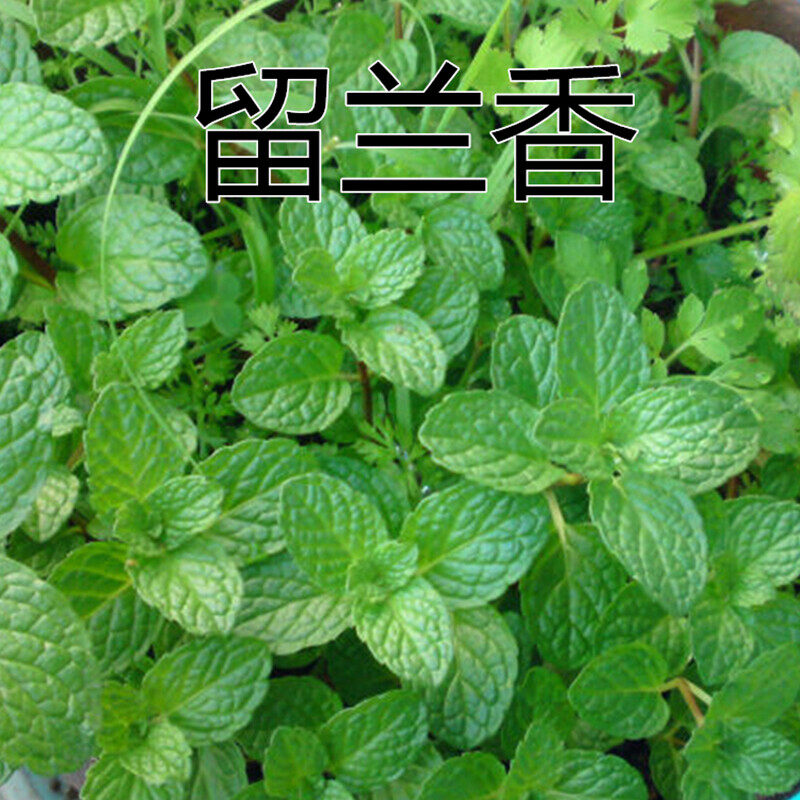
Key Points and Personal Practice for Planting Spearmint Seedlings
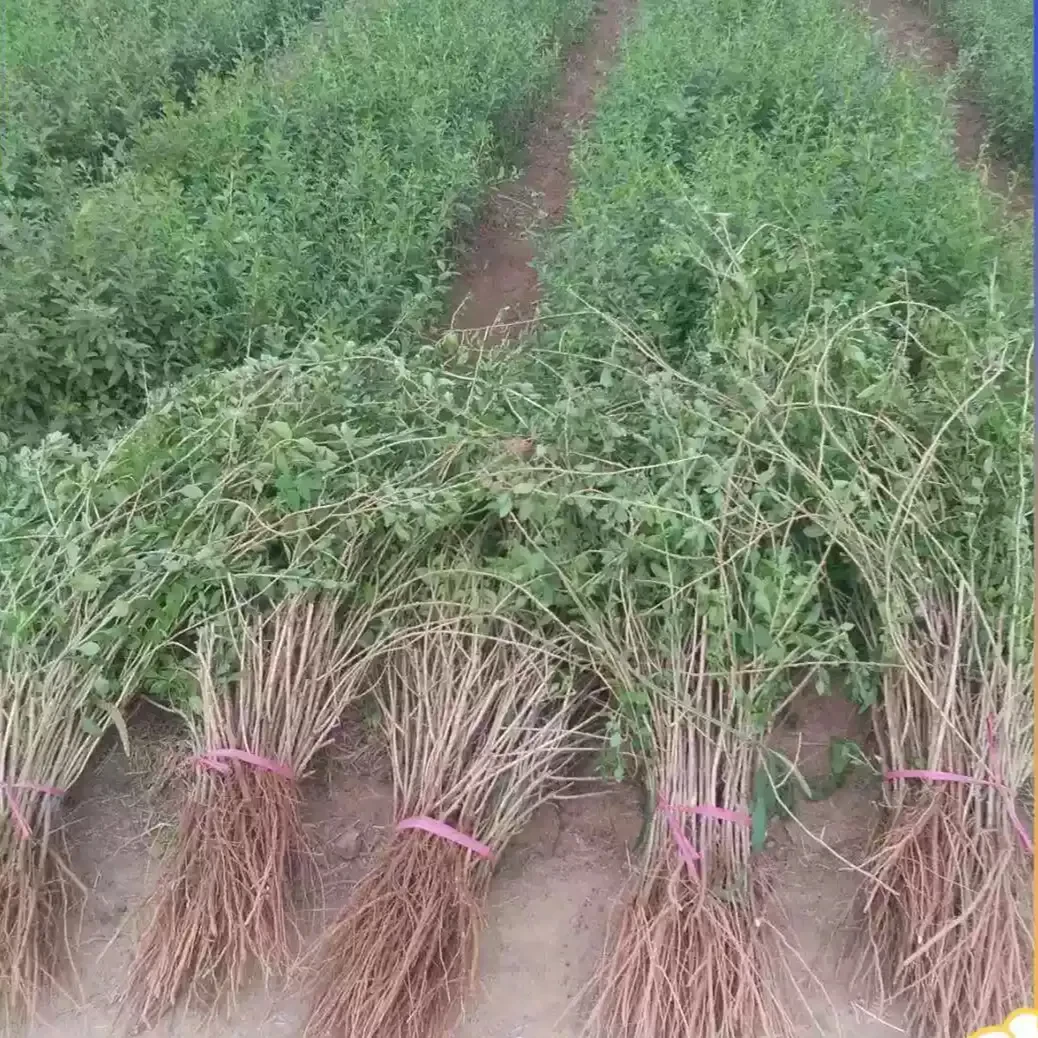
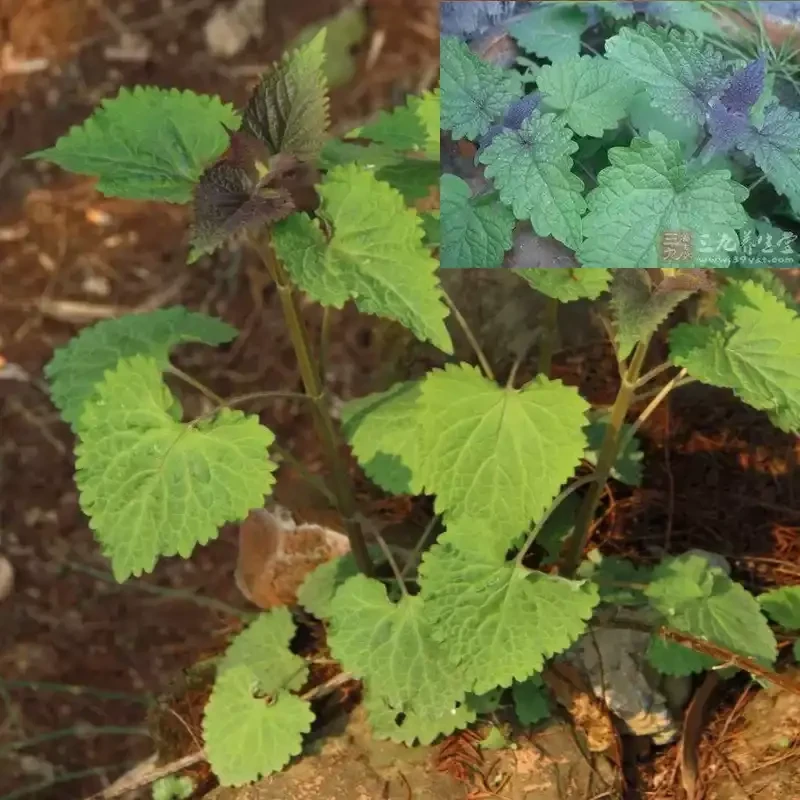
Perennial spearmint seedlings, also known as mint. Authentic photos show aromatic stems and leaves with fast growth and versatile uses.
Browse14次|Direct from origin · Freshly dug and shipped
Ex-works price¥2.0/ share
Register as a wholesale customer to view wholesale pricing
13-year-old storeDirect from originFreshly dug and shippedShips in moisture-proof packaging
Specifications
| Seedling Age | Subject to physical product |
| Plant height | Subject to physical product |
| Branch | Subject to physical product |
| Package Specifications | 10 plants/bundle |
| Shipping Method | Freshly dug and shipped directly from the source, packaged with moisture-retaining soil and protective film. |
Planting Tips
1Site Selection and Land Preparation
Select a well-drained, sandy loam with good ventilation and deep soil layers; avoid low-lying waterlogged areas, heavy clay soils, and continuous cropping. Previous crops should be grasses, with a rotation interval of at least 5 years. Deeply till the soil to a depth of 20—30 cm, apply fully decomposed organic fertilizer as base fertilizer, and form raised beds that are 1.2—1.5 m wide, with furrows 20—30 cm deep and a convex,龟背-shaped surface.
2Planting density
Row spacing 3 0 cm, plant spacing 2 0 cm, planting depth -8 cm.
3Planting Time
Transplant seedlings from late winter to 1–3 of the following year. Select seedlings with plump buds, free of pests and diseases, and uniform roots. Trim excessively long fibrous roots. Space rows 25–30 cm apart, plants 15–25 cm apart, and dig holes 5–10 cm deep. Place buds facing upward, cover soil level with the ground, and water thoroughly after planting. Planting is possible year-round in my region.
4Field Management
Weeding: Lightly hoe 2–3 times during the seedling stage; after rows close, switch to hand-weeding to avoid root damage. Fertilizing: Apply light starter fertilizer during the seedling stage; apply stalk fertilizer when plants reach approximately 30 cm in height; apply heavy doses of phosphorus, potassium, and organic fertilizers around month 7 during root and stem bulking. Watering: Prefers moist conditions but is susceptible to waterlogging. Irrigate lightly in the early morning or late evening during droughts, and ensure proper drainage by clearing ditches during rainy seasons.
5Spray Management
Atractylodes macrocephala is prone to rot caused by bacterial infection. Apply carbendazim or thiophanate-methyl for sterilization once after every rainfall.
6Copyright Notice
Copyright © W Xin Herbal Medicine.com. All rights reserved. Unauthorized use is prohibited.
Related Recommendations
Similar seedling varieties, available for bundled purchase