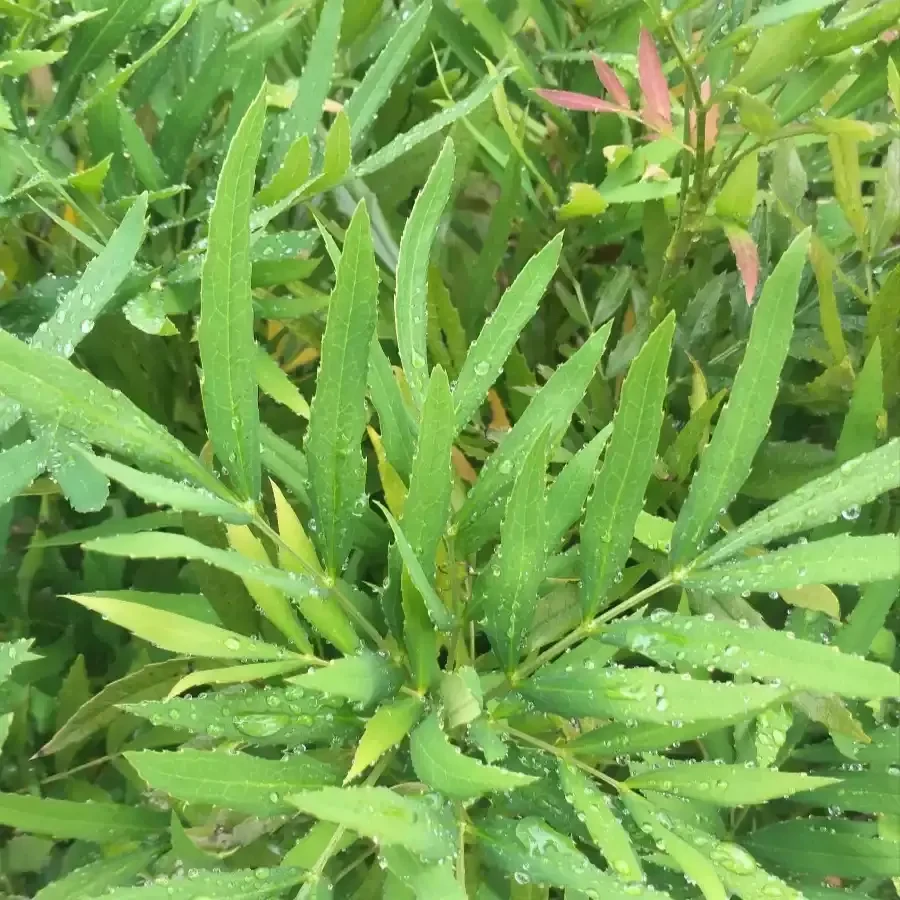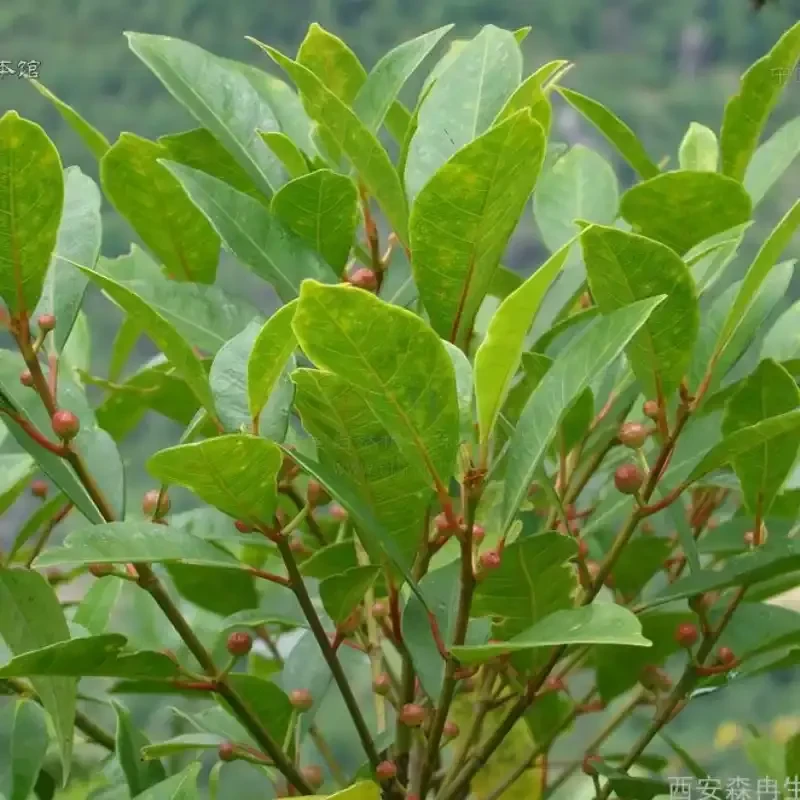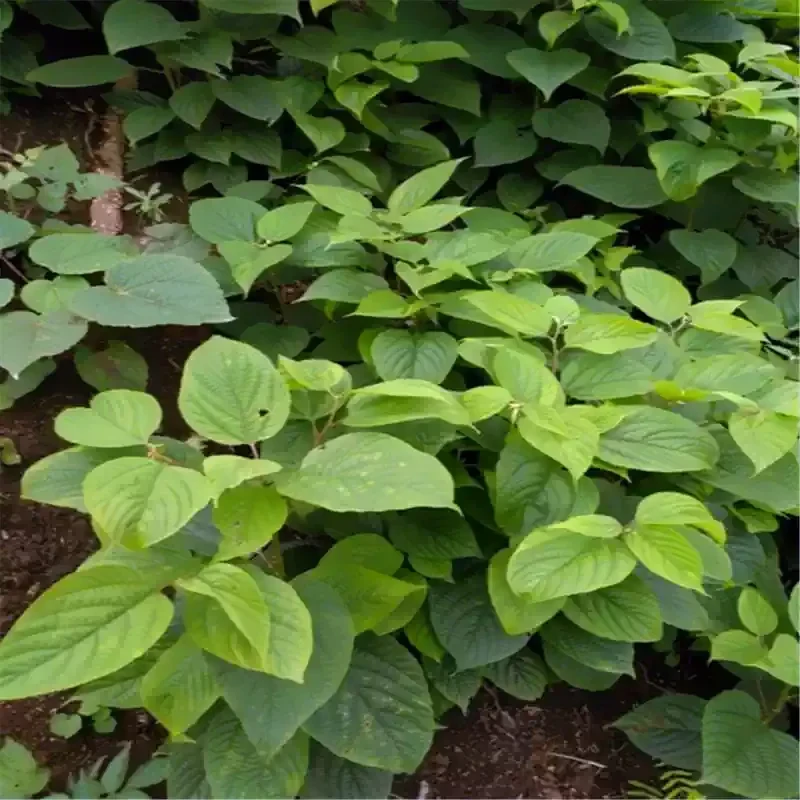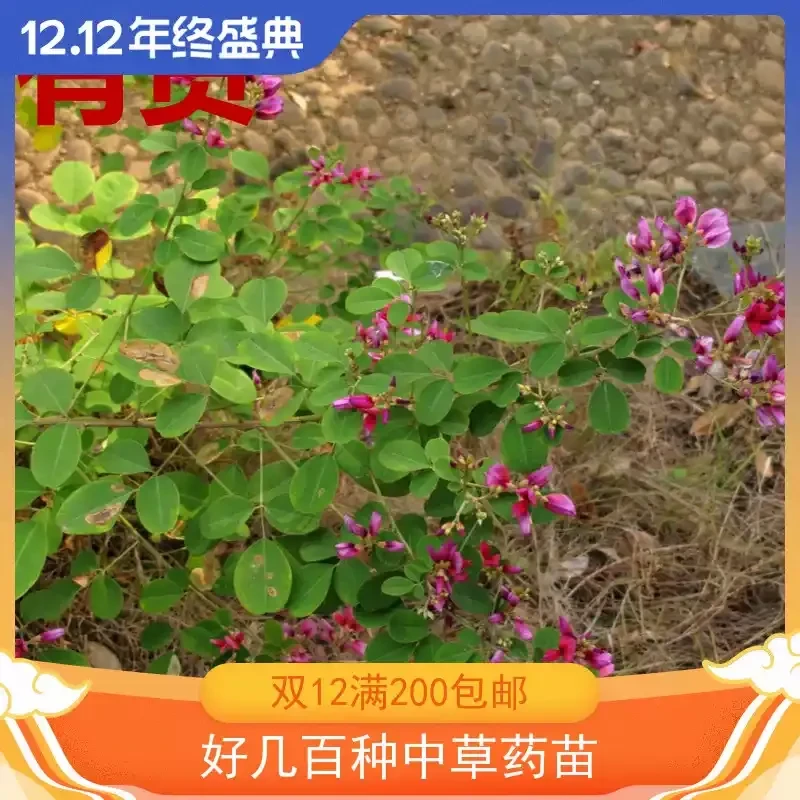
Beautiful Lespedeza seedlings from Wencheng, Zhejiang, cultivated via cuttings for Traditional Chinese Medicine
perennial
Browse11次|Direct from origin · Freshly dug and shipped
Ex-works price¥15.0/ share
Register as a wholesale customer to view wholesale pricing
13-year-old storeDirect from originFreshly dug and shippedShips in moisture-proof packaging
Specifications
| Seedling Age | Subject to physical product |
| Plant height | Subject to physical product |
| Package Specifications | Moisture-retaining packaging, 20 plants per bundle |
| Shipping Method | Freshly dug and shipped directly from the source, with roots kept moist. |
Planting Tips
1Site Selection and Land Preparation
Leatherleaf is highly adaptable, thrives in full sun, and tolerates drought and poor soil. Choose well-drained sandy loam or loam. Before planting, deeply till the soil and apply organic fertilizer as a base dressing.
2Planting Time and Density
Plant in spring (months 2-4) or autumn (months 9-10), with row spacing of 50-60 cm and plant spacing of 40-50 cm.
3Field Management
Keep the soil moist during the growing season and apply fertilizer 1 to 2 times. Weed regularly, cultivate the soil, and prune as needed to maintain proper shape.
4Pest and Disease Control
Mainly susceptible to leaf spot; ensure proper ventilation and drainage. Watch for pests like aphids and treat promptly.
5Harvesting and Processing
Harvest the above-ground parts during the flowering season in spring and summer, then dry them.
6Copyright Notice
Copyright © W Xin Herbal Medicine.com. All rights reserved. Unauthorized use is prohibited.
Practical Planting Techniques
Purple-leafed Lespedeza, also known as Lespedeza;
Planting 1 works in both wilderness and barren hills.
Plant 2 in fields, gardens, or any corner of your yard.
Practice 3 is just as susceptible to waterlogging and root rot as Lespedeza bicolor.
Practice 4: Cut off the above-ground parts annually after leaf drop in winter for overwintering.
Related Recommendations
Similar seedling varieties, available for bundled purchase