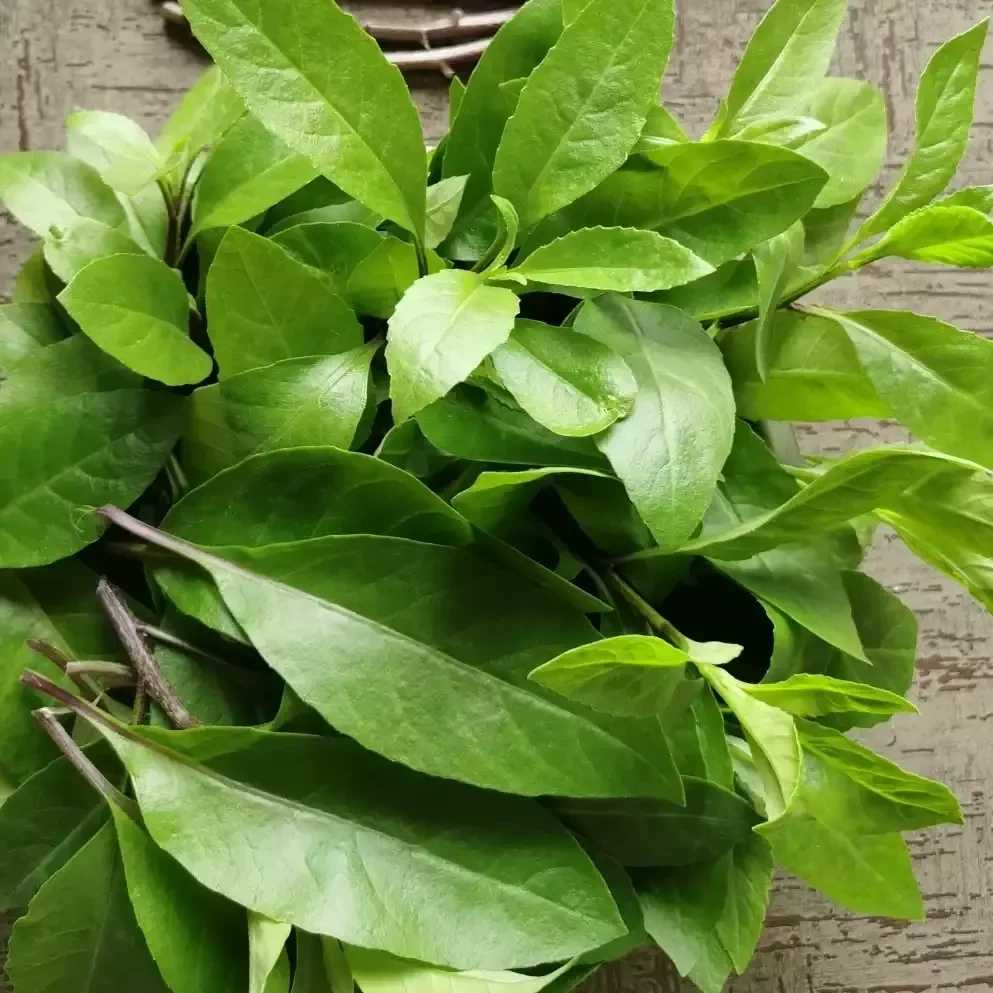
White Feather Vegetable Seedlings: Wenxin Herbal Planting Techniques with Illustrations
Browse12次|Direct from origin · Freshly dug and shipped
Ex-works price¥5.0/ share
Register as a wholesale customer to view wholesale pricing
13-year-old storeDirect from originFreshly dug and shippedShips in moisture-proof packaging
Specifications
| Seedling Age | Subject to physical product |
| Plant height | Subject to physical product |
| root | Subject to physical product |
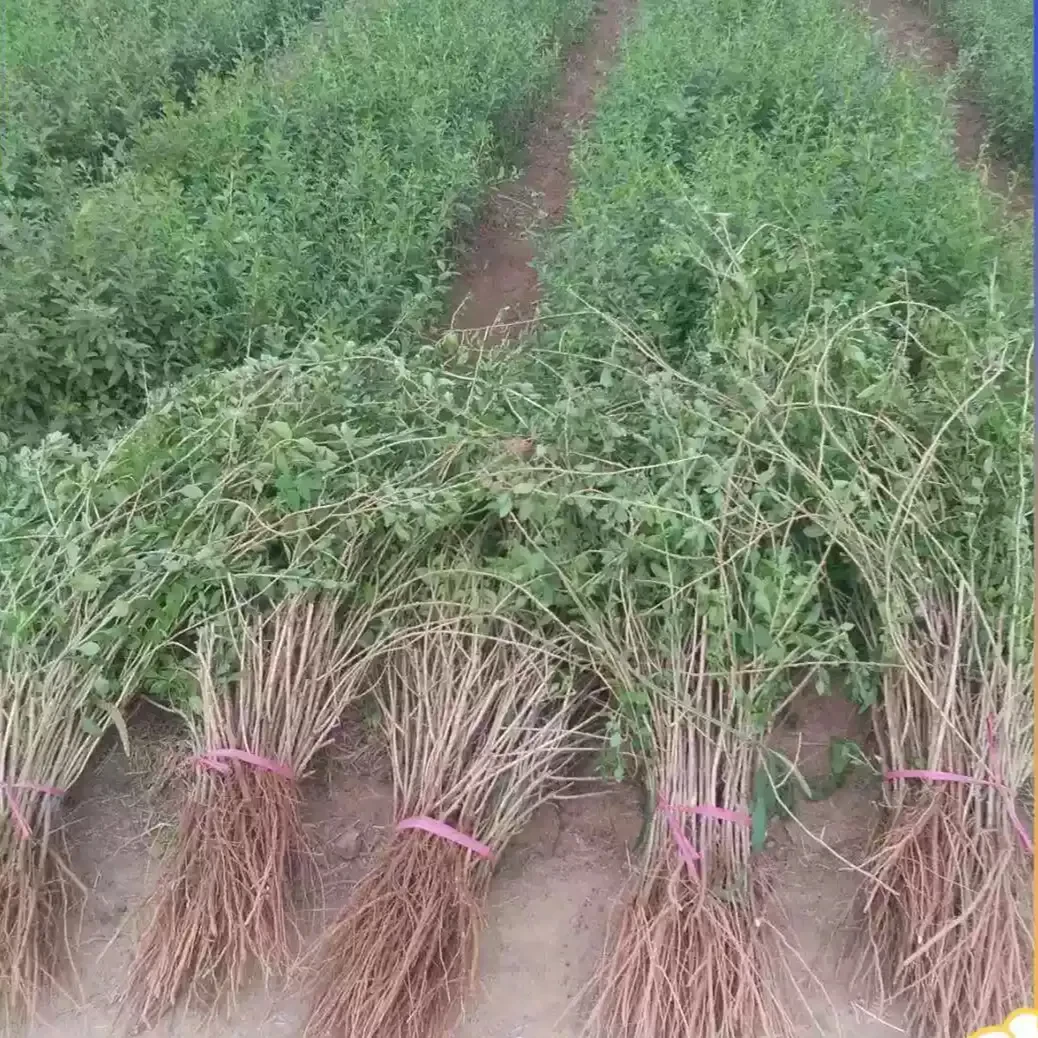
| Package Specifications | 50 plants/bundle |
| Shipping Method | Fresh from the source, shipped immediately with moisture-retaining packaging. |
Planting Tips
1Site Selection and Land Preparation
Select a sunny, sheltered site with good drainage and loose soil. Apply 2000 kg of well-rotted organic fertilizer per mu, plow deeply to a depth of 25 cm, level the ground, and prepare beds with a smooth, fine surface.
2Planting Time
Plant in 3–5 of spring or 9–10 of autumn when temperatures consistently stay above 15°C. Choose an overcast day or evening for planting, and thoroughly water the plant after transplanting to settle the roots.
3Planting density
Plant spacing: 20 cm × 25 cm; approximately 5000 plants per mu. Plant at a depth where the root crown is level with the bed surface.
4Field Management
Keep the soil moist during the growing season. Apply light irrigation frequently during dry spells and drain water promptly after rain. Apply diluted compound fertilizer after each harvest.
5Pest and Disease Control
Focus on ventilation and dehumidification, and maintain field hygiene. Monitor for aphids and leaf spot; promptly remove infected leaves. If necessary, apply low-toxicity pesticides according to instructions.
6Harvest
Harvest tender shoots when plant height reaches 25–30 cm, leaving 2–3 nodes at the base. Rotate harvest periods to ensure continuous regrowth.
7Copyright Notice
Copyright © W Xin Herbal Medicine.com. All rights reserved. Unauthorized use is prohibited.
Practical Planting Techniques
Experiment 1 was grown in an open field for two years without weed control and survived among the weeds. Experiment 2 was grown in a greenhouse; it rots easily in summer, gets damaged by cold in winter, thrives best in autumn, and rots due to heavy rain in spring.
Related Recommendations
Similar seedling varieties, available for bundled purchase